Bronchitis-Affects on Respiratory System.

The condition that falls in between the common cold and pneumonia in severity is called bronchitis. Symptoms include a frequent cough that produces mucus, fatigue, fever, and a wheezing sound when breathing. Find out how to treat, or better yet, prevent bronchitis
What Is Bronchitis?
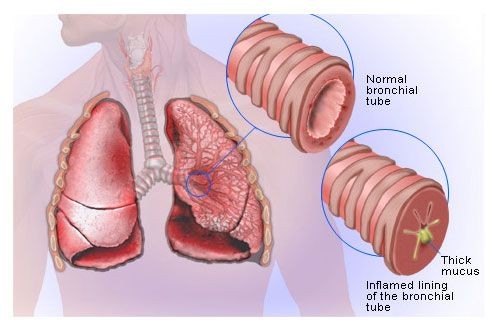
Bronchitis is when the tubes that carry air to your lungs, called the bronchial tubes, get inflamed and swollen. You end up with a nagging cough and mucus.
Acute bronchitis. This is more common. Symptoms last a few weeks, but it doesn’t usually cause problems past that time.
Chronic bronchitis. This one is more serious. It keeps coming back or doesn’t go away
How Is Bronchitis Diagnosed?
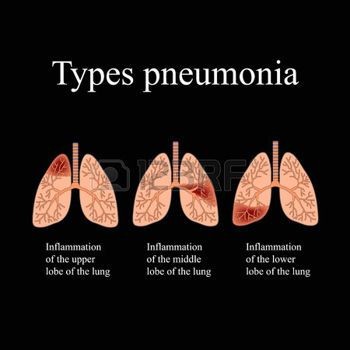
During the first few days of illness, bronchitis symptoms are similar to that of a common cold. Healthcare providers diagnose bronchitis by asking patients questions about symptoms and doing a physical examination. Though they rarely order additional tests, if you have a fever, your physician may order a chest X-ray to rule out pneumonia.
Preventing Bronchitis
Avoiding lung irritants, including smoking, is important for preventing bronchitis. To help protect your lungs, wear a mask over your mouth and nose when using lung irritants such as paint, paint remover or varnish. Wash your hands often, and receive a flu shot every year. Ask your doctor if you should get a pneumonia shot, especially if you’re 65 or older.
How Is Bronchitis Treated?
Most cases of bronchitis go away on their own. The infection simply has to run its course over several weeks. Treatment options your doctor may suggest are:
Resting and getting plenty of fluids
Drinking lots of water, which helps loosen chest congestion
A cough suppressant and/or pain reliever
A humidifier or steam
Antibiotics are not effective for treating viral infections, but if your doctor suspects that you have a bacterial infection, they may prescribe one.
Relief for Chronic Bronchitis
Chronicx bronchitis is long term inflammation of the bronchi and is common among smokers. In addition to quitting smoking, you can get relief by making some lifestyle changes, focus on your breathing, and do your best not to get colds or the flu. Some things to think about and do:
Diet: Eat plenty of fruits, vegetables, and whole grains. You can also eat meats low in fat, chicken, fish, and low-fat or nonfat dairy.
Exercise: Along with a good diet, exercise will keep your weight in check. This is a big deal, because more weight makes it harder to breathe. Also, the muscles you use for breathing get stronger when you exercise. You can start with a slow, 15-minute walk three times a week, then do a little more at a time. Your doctor can help you come up with a plan that works for you.
Pursed-lip breathing: This can help slow down the fast breathing that sometimes comes with chronic bronchitis. First, take a deep breath in. Then, purse your lips like you’re about to kiss someone and breathe out slowly through your mouth. This type of breathing props your airways open and may make it easier for you to clear out thick mucus with a good cough.
Try to avoid colds and flu: Do your best to keep your distance from people who have a cold or the flu, and wash your hands often. Get an annual flu shot.
When Should I Call My Doctor?
Call your doctor if your cough:
Turns up mucus that’s yellow or green
Keeps you awake at night
Lasts more than 3 weeks
Produces blood
You’ll also want to call your doctor if you have a cough and:
A foul-tasting fluid in our mouth — this could be reflux
Fever over 100.4 F
Wheezing or shortness of breath
If you have chronic bronchitis, your cough will go on for months. It’s best to check in with your doctor regularly.
You may also have times where your symptoms get worse. If you have chronic bronchitis, you can still get acute bronchitis with worsening cough and mucus. You’ll want to see your doctor then, too, to see if you need an antibiotic.
 BIOLOGY 4 ENGEENERS